Stroke recovery care: safe, comfortable support at home.
Compassionate, non-medical home care that helps stroke survivors rebuild confidence and independence while families get dependable support.
Free assessment, no obligation. Serving the Bay Area. Licensed home care organization, HCO #014700283.
About stroke recovery care
Support that continues long after the hospital.
Returning home after a stroke is a significant milestone, but it brings new challenges. Everyday tasks such as getting dressed, preparing meals, moving safely around the house, or getting to follow-up appointments may suddenly need extra support.
At PrimeCare In-Home Support, we provide compassionate, non-medical home care that helps people recovering from a stroke regain confidence while staying safe and comfortable at home. Our caregivers work alongside families, assisting with daily routines and encouraging independence. It is part of our specialized care services.
A stroke can affect mobility, balance, coordination, speech, memory, or the ability to do everyday activities. While physicians and rehabilitation therapists oversee medical treatment, daily support at home is just as important. Our caregivers complement your loved one’s medical care and never replace it.
Is it the right fit?
When stroke recovery care may help.
Home care may be a good fit if your loved one:
- Is preparing to leave the hospital after a stroke
- Is transitioning home from a rehabilitation stay
- Needs help with bathing, dressing, or toileting
- Has changes in balance, mobility, or coordination
- Needs help with meals, medication reminders, or errands
- Needs a ride to medical and rehabilitation appointments
- Has family who need a break or extra support
Not sure what your loved one needs? We’ll talk it through and recommend a personalized care plan.
Stroke recovery services include
Personalized support built around each person.
Every stroke affects people differently. We create care plans based on each client’s abilities, preferences, and level of independence, and adjust them as recovery progresses.
Bathing, dressing, and hygiene
Private, dignified help with personal care.
Safe mobility and transfers
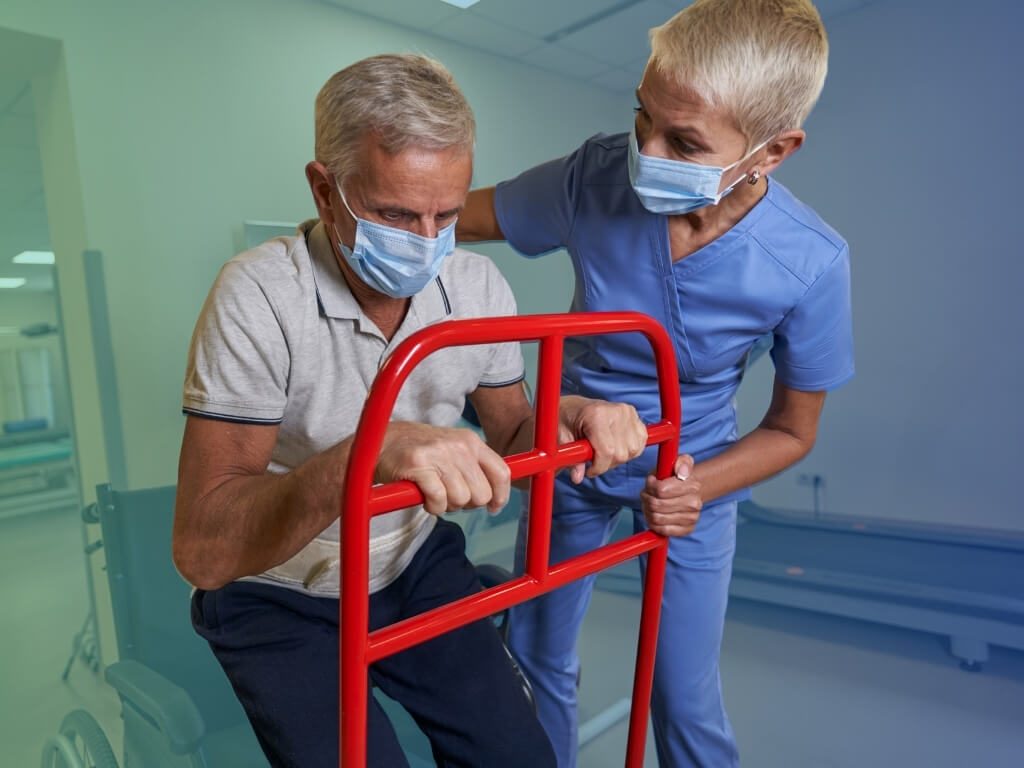
Steady support moving, standing, and transferring.
Walking assistance
Encouragement and support, one step at a time.
Meals and feeding assistance
Nutritious meals prepared and help eating when appropriate.
Medication reminders
Timely reminders that keep the routine on track.
Housekeeping and laundry
A clean, safe home that is easier to move through.
Errands and transportation
Rides to medical appointments and rehabilitation sessions.
Companionship and encouragement
Warm, patient company during recovery.
Independence and safety
Rebuilding confidence while staying safe.
Promoting independence
Recovery often means relearning routines. Our caregivers encourage clients to take part in daily activities at their own pace, offering help when needed while respecting their abilities and goals.
A safer home environment
Our caregivers offer steady support during transfers and movement around the home, help spot everyday safety concerns, and encourage consistent routines.
Communication with family
Caregivers watch for changes that should be shared with family members. We do not provide medical treatment or diagnosis.
Supporting families through recovery
You don’t have to manage every task alone.
Stroke recovery affects the whole family. Many loved ones suddenly balance caregiving with work, personal commitments, and emotional stress. The American Stroke Association offers support for family caregivers and guidance on life after stroke.
- Spend meaningful time together, not just manage tasks
- Flexible support from a few hours a week to daily care
- Rest knowing a trained caregiver is with your loved one
- One plan that adapts as recovery progresses
If you need time to rest, our respite care can help too.
For families
Helpful things to know.
Know the signs of a stroke
Stroke is an emergency. The CDC explains the signs and symptoms of stroke, including the B.E. F.A.S.T. checklist. Call 911 right away if you see them.
Reduce fall risks
Clear walkways, improve lighting, and add grab bars. The CDC’s fall prevention tips are a good start, and our mobility assistance adds steady help.
Plan the move home
Leaving the hospital soon? Read about our post-hospital recovery care and call us early so care can start smoothly.
Why families choose PrimeCare
Recovery doesn’t end when someone leaves the hospital.
Built around the person
Personalized care plans, flexible scheduling, ongoing communication with families, and care that adapts as recovery progresses.
Screened, registered caregivers
Every caregiver is a Registered Home Care Aide with the CDSS and completes fingerprinting and a full criminal background check.
Licensed and flexible
PrimeCare is a licensed home care organization, HCO #014700283, serving families throughout the Bay Area.
How it works
Getting started is simple.
1
Call or request an assessment
Tell us about your loved one’s stroke and what help your family needs.
2
Free in-home assessment
We meet you and your loved one to understand abilities, routines, and the home.
3
Personalized care plan
You get a plan and schedule built around the client’s recovery goals.
4
Care begins
A matched caregiver starts, and the plan adjusts as recovery progresses.
Explore related care
Frequently asked questions
Stroke recovery care questions, answered.
Didn’t see your question?
Talk to our team. We’ll walk you through options and next steps.
What is stroke recovery home care?
Stroke recovery home care is non-medical support at home after a stroke. Caregivers help with bathing and dressing, safe mobility and transfers, meals, medication reminders, housekeeping, errands, transportation, and companionship while your loved one continues their medical care and rehabilitation.
Is stroke recovery care medical care?
No. PrimeCare provides non-medical care. Our caregivers support daily living, safety, and comfort, but they do not provide medical treatment, and they do not replace physicians or rehabilitation therapists.
Can caregivers help with mobility and fall prevention after a stroke?
Yes. Caregivers provide steady support during transfers, walking assistance, and safe movement around the home, and they help spot everyday safety concerns. See our mobility assistance page.
Can you take my loved one to rehabilitation and doctor visits?
Yes. Caregivers can provide transportation to medical appointments and rehabilitation sessions. Learn more about our transportation service.
When should we start care after a stroke?
Many families start as soon as a loved one is preparing to leave the hospital or rehabilitation, so support is in place on the first day home. Call us early and we’ll plan the transition. See post-hospital recovery care.
How long will my loved one need care?
Every recovery is different. Some people need temporary help and others need ongoing support. We adjust the plan as needs change, with more or less assistance as independence returns.
Can stroke recovery care include overnight or 24-hour support?
Yes. Some stroke survivors need help through the night. Ask about overnight care or 24-hour care, and we’ll recommend what fits at your free assessment.
How much does stroke recovery care cost?
Cost depends on the schedule and level of care. PrimeCare offers flexible scheduling with a 4-hour minimum shift. See our billing page or contact our team for a personalized quote.
How do we get started?
Call us or request a free assessment. We visit your loved one at home, learn their needs and routines, and build a personalized care plan with no obligation.
Let’s build a care plan together.
Free, no-obligation consultation, personalized to your family’s needs.
Proudly serving