
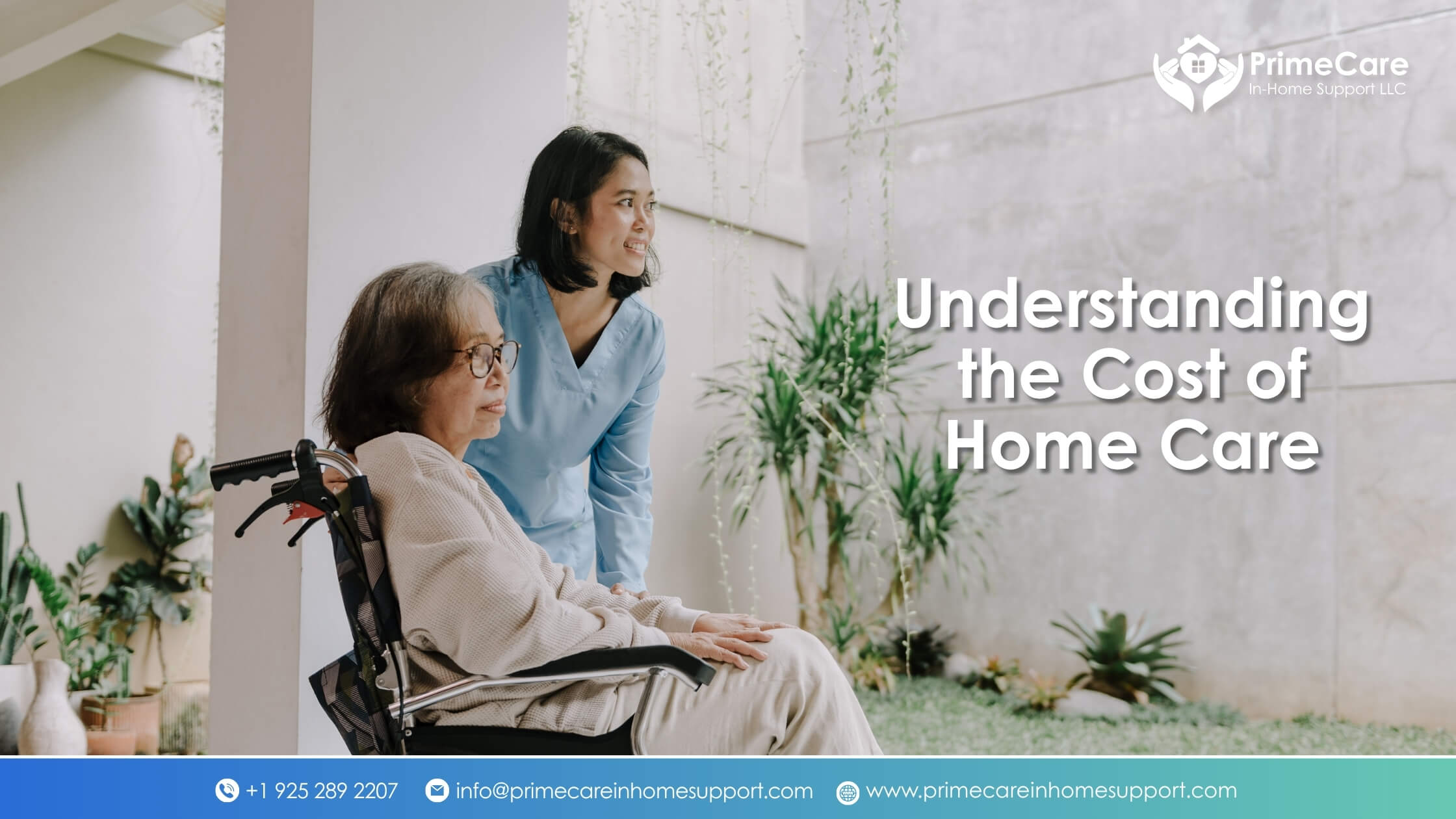
One of the first questions families ask when they start looking into in-home support is also the hardest to get a straight answer to: what does this actually cost?
The honest answer is, it depends. In-home care isn’t priced like a flat subscription. It’s shaped by how many hours you need, what kind of support those hours cover, and who’s providing it. That can feel frustrating when you’re trying to plan a budget, but once you understand what’s actually driving the number, it gets a lot easier to compare agencies and know what you’re paying for.
Here’s what shapes the cost of in-home care, what should be included in that price, and the questions worth asking before you sign anything.
What Drives the Price
Hours and schedule. The biggest factor is simply how much care you need. A few hours a few days a week for companionship and light help around the house costs far less than daily coverage or overnight care. Most agencies price by the hour, though many require a minimum number of hours per visit or per week.
Type of support. Non-medical in-home care covers a wide range, from companionship and light housekeeping to help with bathing, dressing, meal prep, and mobility around the home. Higher levels of hands-on personal care are typically priced higher than companionship-only visits.
Live-in vs. hourly care. Live-in or 24-hour care is usually priced differently than hourly visits, often as a daily rate rather than an hourly one, since it involves a different staffing structure.
Location. Cost varies by region based on local labor markets and cost of living. An agency serving several counties may have slightly different rates across its service area.
Specialized needs. Care involving memory support, mobility challenges, or more complex daily routines can affect pricing, since it often calls for caregivers with more specific experience.
What Should Be Included
A clear, reputable agency should be transparent about what your rate actually covers. Generally, that includes:
- Caregiver recruiting, screening, and background checks
- A care coordinator or supervisor overseeing your care plan
- Liability insurance and bonding for caregivers in your home
- Backup coverage if your regular caregiver is sick or unavailable
- An initial in-home assessment to build a plan around your specific needs
If an agency’s price doesn’t clearly include these, it’s worth asking directly what’s covered and what might come as an add-on later.
Questions to Ask Before You Sign
Before committing to any home care agency, it helps to ask:
Is the agency licensed? Non-medical home care agencies in California are required to hold a Home Care Organization license. Ask to see it.
What’s included in the hourly rate, and what costs extra? Some agencies charge more for holidays, last-minute scheduling, or specific tasks. Get this in writing.
Is there a minimum number of hours per visit? Many agencies require a minimum, often two to four hours, which affects how affordable occasional or short visits actually are.
How are caregivers screened and trained? Ask about background checks, reference verification, and what kind of orientation or training caregivers go through before being placed in a home.
What happens if a caregiver can’t make a shift? A good agency has a backup plan. Ask how quickly they can send a replacement.
Is there a contract, and what’s the cancellation policy? Understand the notice period required to pause, change, or end services, and whether there are cancellation fees.
Who do you call with concerns? You should have a direct point of contact, not just the caregiver, for questions, schedule changes, or concerns about care.
Getting a Real Number for Your Situation
Because so much depends on your specific needs and schedule, the most accurate way to understand cost is a conversation, not a generic price list. A good agency will walk through your situation, explain what level of care makes sense, and give you a clear quote before anything is signed.
At PrimeCare In-Home Support, we offer a free in-home assessment to help families understand exactly what care looks like for their situation, and what it costs, with no pressure and no surprises. If you’re trying to figure out what fits your budget and your family’s needs, we’re happy to walk through it with you.
Contact Us
Contact PrimeCare In-Home Support to learn more about our personalized non-medical in-home care services.